




































byIntermountain Healthcare
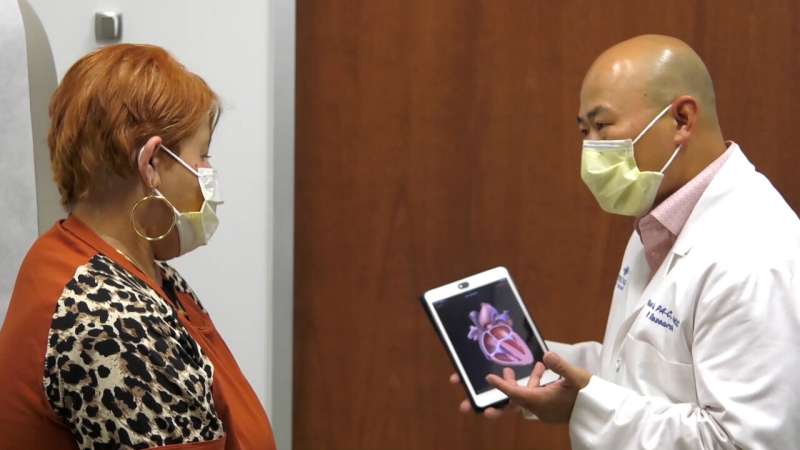
New research from Intermountain Health in Salt Lake City finds that patients diagnosed with peripheral arterial disease (PAD) who also have atrial fibrillation (AFib) face a significantly higher risk of major adverse cardiovascular events (MACE). The Intermountain study analyzed long-term data of Intermountain Health patients with PAD and found that AFib was present in approximately one in four PAD patients, making this combination far more common than previously recognized. Credit: Intermountain Health
New research from Intermountain Health in Salt Lake City finds that patients diagnosed with peripheral arterial disease (PAD) who also have atrial fibrillation (AFib) face a significantly higher risk of major adverse cardiovascular events (MACE).
The Intermountain study analyzed long-term data of Intermountain Health patients with PAD and found that AFib was present in approximately one in four PAD patients, making this combination far more common than previously recognized.
More importantly, Intermountain researchers found the presence of AFib nearly doubles the risk of major adverse cardiovascular events in patients compared to PAD alone.
Irregular heart rhythms are called arrhythmias. AFib is the most common arrhythmia that often, can become rapid. This can result in symptoms like palpitations, fatigue, and shortness of breath as the heart's upper chambers, called atria, beat out of sync with the lower "pumping" chambers, called ventricles.
AFib can lead toblood clotsin the heart, increasing the risk of stroke. The condition also increases the risk of heart failure, and other heart-related complications. Many people don't notice symptoms.
PAD, likecoronary artery disease, develops from a buildup of deposits in the arteries, but occurs in the extremities. PAD is estimated to affect nearly 8–12 million US adults.
In PAD, the legs or arms—usually the legs—don't get enough blood flow to keep up with demand. This may cause leg pain when walking, called claudication, and other symptoms.
While treatments for CAD and PAD are similar, including exercising, eating healthy foods, and not smoking or using tobacco, unlike CAD, individuals with PAD have a higher risk of heart attacks, strokes, and amputations.
Researchers say the presence of AFib further amplifies risks of events.
"This is a stark reminder that PAD is not just a limb-threatening disease—it's a marker of widespread atherosclerosis," said Viet Le, DMSc, MPAS, PA-C, an advanced practice clinician and cardiovascular researcher at Intermountain Health and principal investigator of the study.
"We found that whenatrial fibrillationis added to the mix, the risk of heart attack, stroke, and death escalates significantly. Clinicians must screen for AFib in PAD patients and aggressively manage both conditions."
Researchers say the findings underscore the need for better adherence to screening and treatment protocols. Despite existing guidelines, only 35% of PAD patients receive optimal medical therapy, including blood pressure control, statins, aspirin, and smoking cessation support.
"Both conditions derive from plaque build-up in femoral and arterial arteries," said Le. "Atrial fibrillation should be assessed in allperipheral arterial diseasepatients, and aggressive preventative treatment should be implemented."
Provided by Intermountain Healthcare










Post comments