




































byTufts University
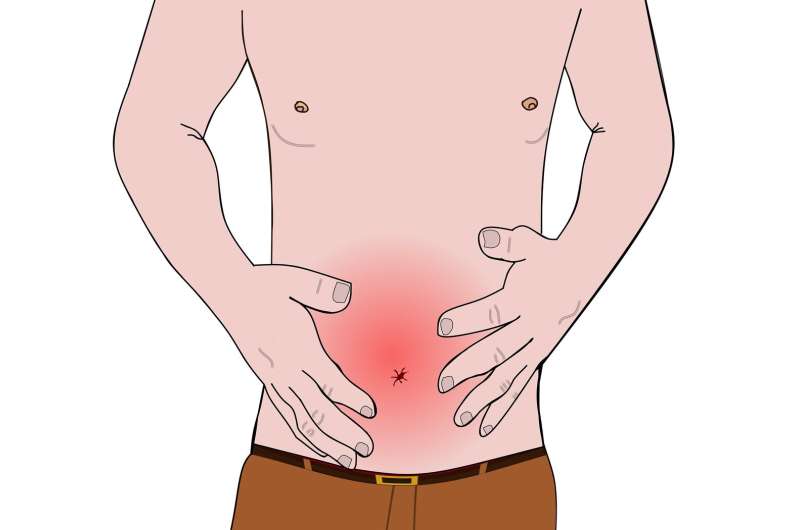
Credit: CC0 Public Domain
Chances are you've experienced constipation at some point in your life. It's one of the most common gastrointestinal complaints, affecting people of all ages, genders, and backgrounds. Constipation is typically defined as having fewer than three bowel movements per week, along with stools that are hard, dry, difficult to pass, or accompanied by straining and a sense of incomplete evacuation. While it's usually temporary, constipation can significantly affect quality of life and, if left unmanaged, may lead to complications such as hemorrhoids or fissures.
It's important to remember that "normal" bowel habits vary widely. Some people pass stool several times a day, while others go only a few times a week. What matters most is your personal pattern. If your usual rhythm changes and bowel movements become less frequent or more difficult, you may be experiencing constipation.
Why constipation happens
Constipation occurs when stool moves too slowly through the digestive tract. As it lingers, the colon absorbs more water, making the stool firmer and more compact, which can make bowel movements more challenging. Manyeveryday factorscan contribute, including:
Constipationbecomes more common with age; an estimated 30% to 40% of adults over 65 report issues. Women are also more likely than men to experience chronic constipation.
Dietary pattern and lifestyle
Harmony Allison, MD, associate chief of gastroenterology at Tufts Medical Center, emphasizes that digestive health reflects overall health. "A healthy body equals a healthy digestive pattern," she says.
Several everyday habits can help support regular bowel movements:
Short-term relief at home
If constipation persists despite dietary pattern and lifestyle adjustments, over-the-counter products may help. Options include fiber supplements (such as psyllium or methylcellulose), osmotic laxatives like polyethylene glycol (MiraLAX), stool softeners, and, in some cases, stimulant laxatives. Allison favors fiber supplements that are mixed with water, noting that supplements alone—without enough fluid—can actually worsen constipation.
Start with the gentlest option, and use stimulant laxatives sparingly. Avoid using laxatives for more than two weeks without speaking to a health care provider, as overuse can worsen symptoms.
When to seek medical care
If constipation is a new problem for you or lasts more than three weeks, see your health care provider. "Constipation accompanied by significant pain—not related to gas—may warrant urgent medical evaluation," Allison cautions. Other reasons to seek care include seeingblood in your stool, losing weight without trying, having pain during bowel movements, or experiencing symptoms suggesting pelvic floor dysfunction, such as feeling unable to relax the muscles during a bowel movement.
Paying attention to what your body needs—more fiber, more fluids, more movement—can go a long way toward preventing constipation and supporting overall digestive health. And if symptoms don't improve, your health care provider can guide you toward the right treatment.
Key medical concepts Constipation Laxatives Thyroid Diseases Diabetes











Post comments