




































byUniversity of Minnesota Medical School
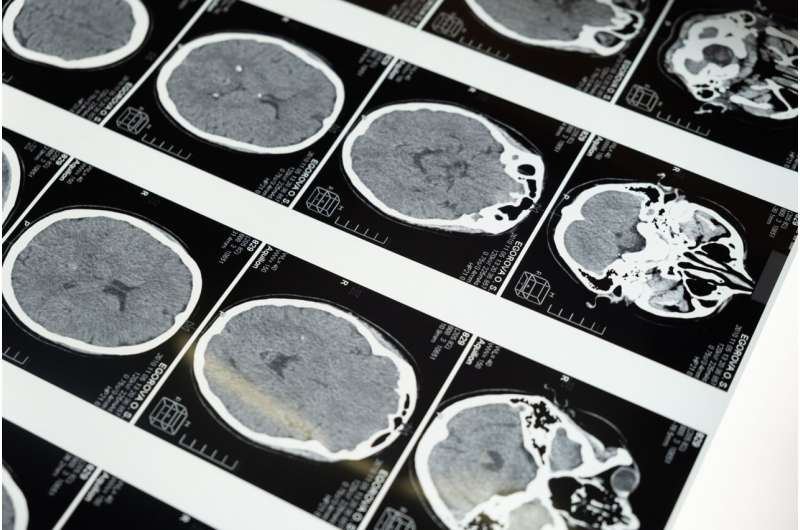
Credit: cottonbro studio from Pexels
A new study published today inJAMA Network Openfound that removing olfactory groove meningioma—a type of brain tumor located near the base of the brain—may improve blood sugar control in patients with diabetes.
Researchers followed patients with an olfactory groove meningioma and diabetes over five years after surgery, tracking long-term changes in hemoglobin A1c (HbA1c), which is a standard measure of blood sugar control, and body weight after tumor removal surgery.
The research team found:
"This type of brain tumor affects both frontal lobes simultaneously and is usually thought of as causing symptoms like vision problems, personality changes or loss of smell," said Andrew Venteicher, MD, Ph.D., an associate professor at the University of Minnesota Medical School and neurosurgeon with M Health Fairview. "What surprised us was how much blood sugar control improved after surgery in many of these patients. The findings may help us better counsel patients before surgery and raise new questions about how the brain influences metabolism throughout the body."
The findings suggest that some brain tumors may affect the body's ability to regulate metabolism and blood sugar, and that removing certain brain tumors may improve blood sugar control and weight in some patients with diabetes, in addition to improving neurological symptoms.
Future studies will explore why these metabolic improvements occur and whether similar effects are seen in patients with other types of brain tumors. Researchers also hope to better understand how brain function, behavior and metabolism are connected and whether these findings could help guide future treatment decisions.
Publication details Austin J. Leikvoll et al, Sustained Glycemic Control After Surgical Resection of Olfactory Groove Meningiomas, JAMA Network Open (2026). DOI: 10.1001/jamanetworkopen.2026.16542 Journal information: JAMA Network Open










Post comments