




































byPaul Arnold, Medical Xpress
Credit: Unsplash/CC0 Public Domain
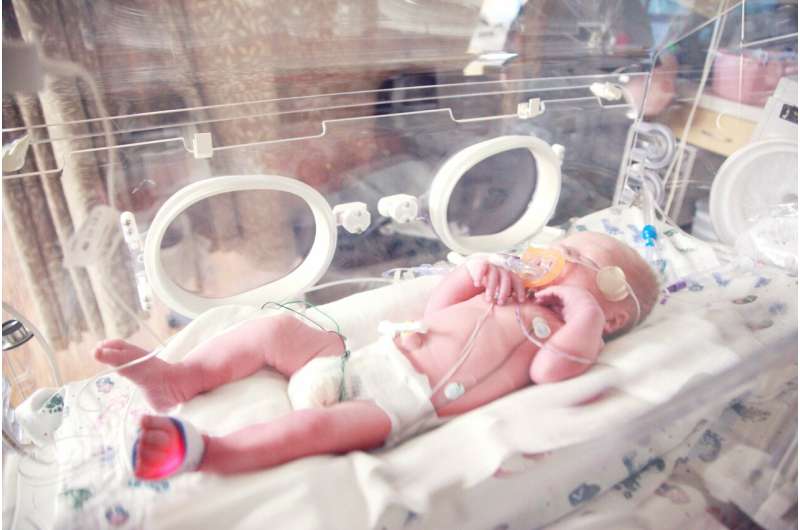
Being born early or at a lower weight is linked to lower IQ scores and poorer educational outcomes in school and beyond, according to a new studypublishedin the journalJAMA Pediatrics. Researchers from the UK and the Netherlands reached this conclusion after conducting a review of 40 large-scale systematic reviews that covered thousands of individuals.
Thanks to medical advances, more babies born preterm (before 37 weeks) or with a low birth weight (under 2.5 kilograms) are surviving than ever before, but they often face significant challenges as they grow up.
Analyzing the original data
In this research, known as an umbrella review, the team examined what previous studies had discovered about preterm birth and low birth weight and long-term development. This involved going back to the original numbers and recalculating the results using a single, consistent method to ensure accuracy. They looked at five different life stages, from babies under two years old to adults over 18.
This meta-analysis confirmed that both preterm birth and low birth weight are linked to disadvantages that persist over time. In particular, babies bornbefore 28 weeksor weighing less than 1 kg at birth showed larger academic disadvantages on average than babies born at term with normal birth weight.
The most affected subject was math, with significant gaps in calculation and problem-solving skills. Stark differences were also seen in reading, comprehension, spelling and identifying words.
These challenges were often most visible duringprimary schooland closed slightly during teenage years. However, some of these learning difficulties reappear once a person reaches adulthood, as the study authors note in their paper. "These disadvantages generally increased with earlier gestational age and lower birth weight. Although some associations appeared to attenuate during adolescence, evidence of persistent disadvantages into adulthood was observed for several outcomes."
The research team believes their findings show that the impact of being born early or much smaller than average can have lifelong consequences. For some, this may mean fewer job opportunities or earning lower salaries than their peers.
Supporting every child
The researchers, therefore, hope that the evidence will lead to better clinical follow-up and improved educational practices. By identifying these issues early and providing ongoing support, health and education experts can work together to prevent children from being left behind and help them reach their full potential.
"Preterm birth and low birth weight are associated withenduring cognitive and educational disadvantages, highlighting the need for early support and intervention," say the researchers.
© 2026 Science X Network
Publication details Mingzheng Hu et al, Cognitive and Educational Outcomes After Preterm Birth or Low Birth Weight, JAMA Pediatrics (2026). DOI: 10.1001/jamapediatrics.2026.0533 Journal information: JAMA Pediatrics










Post comments