

























by Clare Anderson,The Conversation
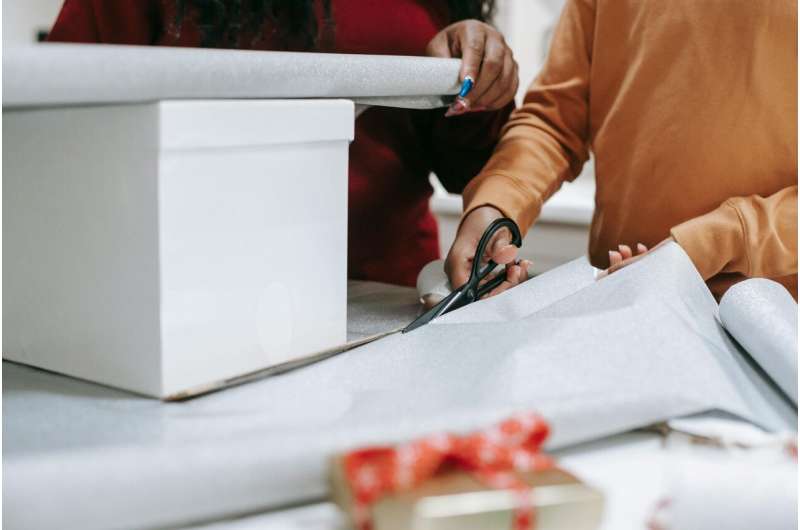
Credit: Any Lane from Pexels
Christmas is supposed to be restful, yet somehow it ends up being one of the worst times of year for sleep. Between late nights, travel, one too many eggnogs and all that excitement, your sleep schedule doesn't stand a chance—and neither does your mood, safety or health. Here are a dozen sneaky ways Christmas sabotages your sleep and what you can do about it.
Late nights and lie-insmight feel indulgent, but they're secretly sabotaging your internal clock. Those late nights and bright lights throw yourbody clock out of sync, leaving you with disruptedsleepand making youslower to functionandgloomierthe next day.Irregular sleep timingis associated with manypoor consequencesfor health and performance.
Many adults routinely sleep less than the recommendedseven hours. Nightly sleep loss of even one hour quickly takes a major toll. Sleepingless than six hoursa night can cause dangerous levels of sleepiness after justtwo weeks, making end of year exhaustion real, and the Christmas break an ideal time to catch up on lost sleep.
Those big festive meals, rich in carbs and fat, can besedatives on a plate. When we're short on sleep, we're more likely to crave sugary or fattyquick fixes for energy—only to crash about 90 minutes later, whensleepiness hits again.
Christmas Eve excitement sends stress hormones soaring in kids (and let's be honest, adults too), making it nearly impossible todrift off. Paradoxically, sleepy children often become hyper rather than drowsy—turning bedtime into a battle. When children stay up later, this results in parents staying up later. This doesn't simply delay sleep, it also shortens it, reducingtotal sleep timeby an average of 33 minutes for each hour that bedtime isdelayed.
While others are celebrating, retail, health care and other essential workers are grinding through marathon shifts that wreakhavoc on sleep. Shifts lasting longer than ten hours increase the risk of accident and injury by 13%, while those involving night work increaseit by 28%. Put those together (long shifts overnight) and it's a recipe for disaster. Sleeping during the day and being awake at night is already a challenge for many shift workers, but even more so at Christmas.
In all the Christmas excitement, it's easy to forget how risky travel can be when you're tired. Sleepiness contributes to around17% of fatal vehicle accidents—and long journeys, international travel, reduced sleep and sleeping in unfamiliar environments all makethings worse.
For those in the northern hemisphere, winter brings lower light levels during the day, yet bright Christmas displays light up the night sky—and our brain.Indoor lightingthat is too dim during the day and too bright at night can disrupt circadian rhythms and sleep, making us feel more tired andless happy. While sleeping under Christmas lights may put you in the festive mood, it can disrupt your heart rate during sleep and affect your blood sugarin the morning.
Yes, alcohol helps you nod off faster, but then itsabotages your sleepby messing with your brain chemistry and making breathing problems worse. You won't evenremember these disruptions(you need to be awake for several minutes to form a memory), but you'll definitely remember the hangover.
A Christmas Day nap can be a tradition for many families—especially grandpa. On average, people sleep about5% more on Christmas Day. That extra 24 minutes of sleepover the holidayscan helpfight off common coldsand other bugs. Christmas really is the time to indulge … in sleep.
Money worries, heightened expectations and increased loneliness can all trigger Christmas anxiety. When you'reanxious, there's a 90% increased risk that you'll struggle to fall or stay asleep—and poor sleep makes anxiety worse. Protecting your sleep and helping others protect theirs can help prevent this vicious circle.
New Year's Eve is the worst night of the year for sleep—most people go to bed90 minutes later than usual, and it shows. Moretraffic accidents than usualhappen on New Year's Day, so if you're exhausted, skip anything that requires alertness.
If on the twelfth day of Christmas your wish is for a good night's sleep and staying safe and well, here are some top tips:
This article is republished fromThe Conversationunder a Creative Commons license. Read theoriginal article.
Key medical concepts Circadian Rhythm Daytime Sleepiness, Excessive Alcohol Drinking Anxiety
Provided by The Conversation






Post comments